
From Cardboard to Garden Resource: A Gardener’s Experience with Shredded Cardboard
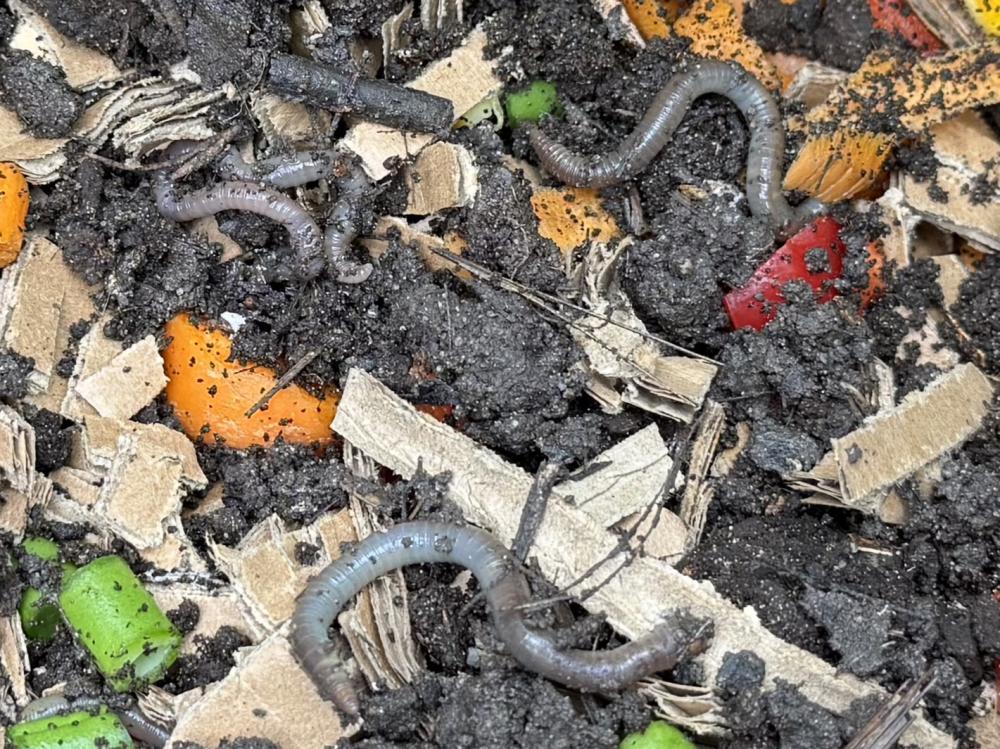
Most gardeners are familiar with using sheets of cardboard for sheet mulching and weed suppression. But what happens when you shred that cardboard first?
For one keen gardener, discovering shredded cardboard as a garden mulch has changed the way they look at the cardboard that comes into their home.
It started almost by accident.:
We were standing in our garage one day staring at a mountain of cardboard boxes.
A thought we could use our paper shredder to shred cardboard and use it more like a traditional mulch.
That simple idea led to a series of experiments with shredded cardboard around the garden. Three years later, it has become a regular part of their approach to mulching, protecting and building their soil.
Putting shredded cardboard to work
One of the first things they discovered was how versatile shredded cardboard could be.
Unlike whole sheets of cardboard, shredded material can be spread around established plants, used along garden paths, incorporated with other mulching materials and easily moved when planting or changing garden beds.
They generally use a layer of around 100 to 150mm where they want strong weed suppression. As the material settles and compacts, particularly after rain, the layer becomes considerably thinner.
In vegetable beds, they generally use around 75 to 100mm, which they find provides useful weed suppression and moisture protection while still allowing the mulch to be moved aside when planting.
Creating planting pockets
One technique they have developed for spring planting is what they call “cardboard pockets.”
They spread approximately 75mm of shredded cardboard across the bed and then create planting pockets by pulling the mulch back to form circles around 200mm across.
Transplants are planted directly into these pockets and watered thoroughly. As the plants establish, the cardboard mulch can gradually be moved closer to them.
The result is a simple way to give young plants direct access to the soil while maintaining mulch coverage around them.
Shredded cardboard for garden paths
Shredded cardboard has also found a place in their garden paths.
For areas receiving regular foot traffic, they use a thicker layer of around 150 to 200mm, sometimes combined with other materials.
They report that the material compacts into a surprisingly stable walking surface while still allowing water to pass through.
The paths are refreshed once or twice each season. An added benefit, they say, is finding that the older cardboard underneath has decomposed and can be incorporated back into the garden beds.
An interesting experience with moisture
One of the most positive observations from their experience has been the way shredded cardboard appears to influence soil moisture.
To test this, they compared three similar garden beds growing the same crops: one mulched with straw, one with wood chips and one with shredded cardboard.
During the peak of summer, they measured soil moisture at approximately 4 inches deep every other day for a month.
According to their observations, the shredded-cardboard bed maintained the most consistent moisture levels, with smaller fluctuations between watering than the other two beds.
They also noticed a difference during a heavy rainfall event. While some of the straw and wood-chip mulch moved, the shredded cardboard remained in place and appeared to help the rainwater reach the soil with less surface disturbance.
This was a particularly encouraging result for their garden, where heavy rainfall can sometimes create problems with exposed soil and erosion.
Organic mulches are already recognised for their ability to reduce evaporation, moderate soil moisture and help protect soil from rainfall and erosion.
Their experience suggests shredded cardboard may be another useful material to experiment with.
Creating shelter for beneficial insects
Another unexpected observation has been the number of insects they see around areas covered with shredded cardboard.
They believe the loose, layered structure creates small sheltered spaces that can be used by ground beetles, spiders and other predatory insects.
Over time, they have noticed what they describe as an increase in the diversity and abundance of beneficial insects in areas where shredded cardboard is used extensively.
This is an observation from their own garden rather than a controlled study, but it has become another reason they continue to use the material.
Helping moderate soil temperature
They have also measured differences in soil temperature beneath their shredded cardboard mulch.
During hot weather, their measurements showed soil beneath the mulch could be 10 to 15°C cooler than bare soil during peak afternoon temperatures.
During cooler periods, they also found that the mulch helped insulate the soil overnight.
These measurements are specific to their garden conditions and shouldn't be taken as a guaranteed temperature reduction in every garden. However, the observation is consistent with the broader role of mulch in moderating soil temperature and reducing temperature fluctuations.
For this gardener, the effect has been useful during periods of more extreme weather.
Combining shredded cardboard with other organic materials
Although shredded cardboard can be used on its own, they have found that combining it with other materials can produce useful results.
One of their favourite combinations is what they call the “cardboard sandwich.”
The basic approach is:
- 15 to 25mm of compost or aged manure
- 75 to 100mm of shredded cardboard
- Around 25mm of grass clippings, chopped leaves or straw
The idea is to combine different materials rather than relying on cardboard alone.
The compost or aged manure contributes organic matter and nutrients, while the shredded cardboard provides a carbon-rich mulch layer. The upper layer also helps hold the lighter shredded cardboard in place, particularly before it settles.
This approach is broadly consistent with established composting principles, where carbon-rich materials such as cardboard are combined with nitrogen-rich organic materials.
They also like combining shredded cardboard with wood chips around perennial plants and on pathways. The cardboard breaks down more quickly, while the wood chips provide longer-lasting mulch coverage.
What about weed suppression?
A natural question is whether shredded cardboard can provide the same level of weed suppression as whole sheets of cardboard.
Their experience has been very positive, particularly when the shredded material is applied deeply enough.
They report that a layer of around 4 inches provides strong weed suppression, with only occasional weeds appearing where the mulch has been disturbed or become too thin.
They have also found that weeds emerging through the loose material can be easier to remove because their roots have not become as firmly established in the underlying soil.
This shouldn't be interpreted as a guarantee that shredded cardboard will eliminate weeds. Mulch generally works by creating a physical barrier and reducing the light available to emerging weeds, and its effectiveness depends on the material, depth, weed species and conditions.
But in this particular garden, it has proved to be an effective part of their weed-management strategy.
Allowing the cardboard to return to the soil
Perhaps one of the most appealing aspects of using shredded cardboard is what happens to it over time.
The gardener accumulates cardboard throughout the growing season and builds up a supply for use when garden beds become available.
After harvesting a bed in autumn, they can cover it with shredded cardboard to help protect the soil and suppress late-season weeds.
By spring, some of the cardboard has partially decomposed and can either be planted through or incorporated into the garden.
Cardboard is a carbon-rich material and can contribute organic matter as it decomposes. However, decomposition rates vary considerably depending on moisture, temperature, the type and thickness of cardboard and the surrounding materials.
Three years of building better soil
After three years of regularly using shredded cardboard mulch, the gardener describes noticeable changes in their soil.
They say it has become darker, more crumbly and better able to hold moisture, and that they see plenty of beneficial organisms throughout their garden.
These are personal observations rather than controlled measurements, but they are also the reason the practice has become such a regular part of their gardening routine.
Organic mulches can contribute organic matter as they decompose and, over time, help improve soil structure and moisture management.
For this gardener, the real attraction is the idea of continually returning carbon-rich organic material to the garden rather than treating cardboard simply as something to throw away.
Giving cardboard a second life
The gardener isn't suggesting that people abandon sheet mulching if it already works for them.
Instead, they encourage other gardeners to experiment with shredded cardboard in different applications.
Try it around established plants. Use it on a pathway. Combine it with compost, leaves, straw or wood chips. Or experiment with using shredded and sheet cardboard in different areas of the garden.
The results will vary depending on the garden, climate, soil and how the material is applied. But the experience from this gardener suggests that shredded cardboard can be a surprisingly versatile addition to a home gardening system.
Choosing the right cardboard
If you are going to use cardboard around edible plants or in your garden, it is sensible to be selective about what you shred.
Plain brown corrugated cardboard is generally the better choice. Remove tape, staples and other non-paper materials, and avoid cardboard that is heavily coated, glossy or otherwise difficult to break down.
And, as with any mulch, keep the material away from direct contact with plant stems and monitor how it behaves as it settles and decomposes.
From waste to garden resource
Perhaps the most satisfying part of this approach is its simplicity.
A cardboard box that has finished its original job doesn't necessarily have to become waste.
With the right type of cardboard and the right application, it can become another source of carbon-rich organic material for the garden.
For this gardener, what began as a pile of unwanted cardboard in the garage has become an ongoing part of their approach to building healthier, more resilient soil.
Sometimes, the most useful garden resource is the one we were about to throw away.
For tailored advice and expert recommendations on the ideal Cardboard Shredding solution for your gardening activities, contact the team at Shredder Sales:
• Phone: 1800 808 880
• Email: info@shreddersales.com.au
• Web: www.shreddersales.com.au (Live Chat available on-site)