Why Shredded Cardboard Belongs in Your Compost (and Not Just the Recycling Bin)
If you’re tossing cardboard into the recycling bin, your garden might be missing out. Shredded cardboard is one of the most underrated ingredients for healthy, productive compost—and it’s probably already piling up in your house. Better yet, composting cardboard gives it a second life, helping reduce the amount of waste sent to landfill while turning a common household item into something truly valuable.
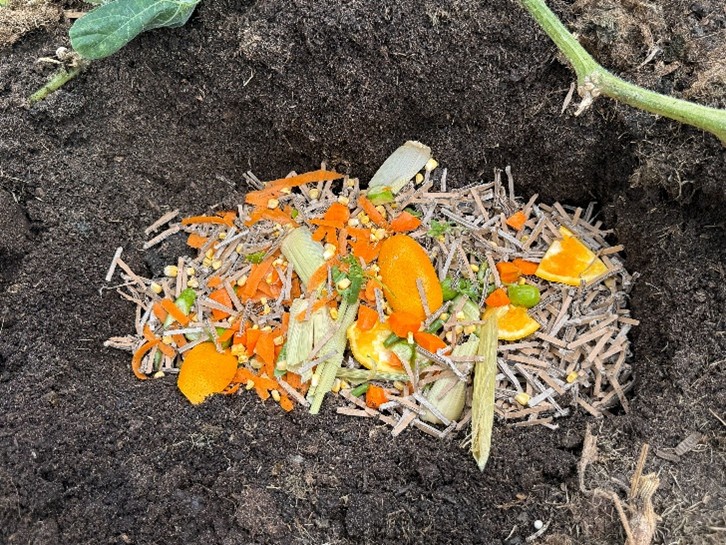
At its core, composting is all about balance. Microorganisms break down organic matter, but they work best when carbon-rich and nitrogen-rich materials are in the right proportion. Cardboard is high in carbon, making it an ideal “brown” to combine with nitrogen-heavy “green” materials such as grass clippings, plant trimmings, and kitchen scraps like vegetable peels and coffee grounds. Without enough carbon, compost can turn slimy, smelly, and slow to decompose. For best results, aim for roughly three parts browns to one part greens by volume, layering or mixing them well to create fast, efficient compost and nutrient-rich soil.
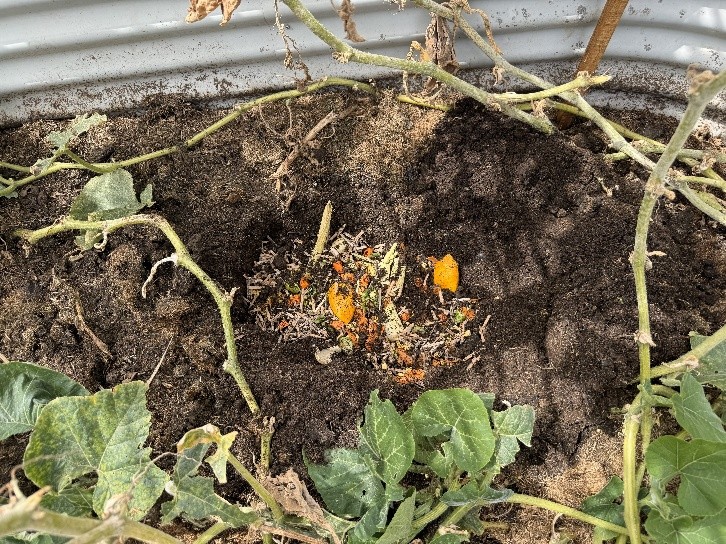
From a science perspective, cardboard is mostly made of cellulose—long chains of glucose molecules bound together in plant fibres. Compost microbes (including bacteria and fungi) are especially good at breaking cellulose down into simpler carbon compounds they use for energy. As these microbes grow and die, their by-products and residues contribute to the formation of stable soil humus and help release nutrients that plants can later access. Shredding the cardboard increases its surface area, giving microbes more places to attach and speeding up decomposition.
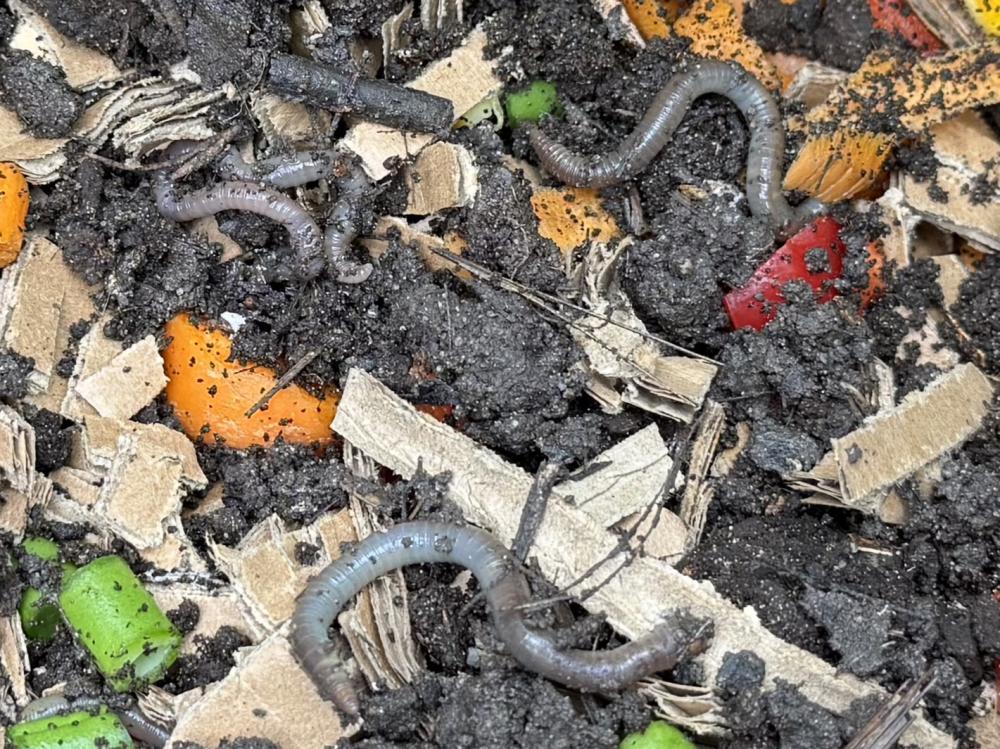
Of course, microbes don’t work alone. When the compost environment is healthy, earthworms become invaluable partners in the process. They form a dynamic symbiotic relationship with the microbial community already breaking down the cardboard. Worms feed on partially decomposed material along with the microbes inhabiting it. Inside the worm’s digestive system, this mixture is ground down further, enriched with additional beneficial microorganisms, and chemically transformed.
What emerges is worm castings—among the most biologically active and nutrient-dense forms of compost. Castings are rich in beneficial bacteria and fungi, contain plant-available nutrients, and even include natural plant growth-promoting compounds. In many ways, earthworms act as ecosystem enhancers: they intensify microbial activity, accelerate decomposition, and convert simple materials like shredded cardboard into stable, humus-rich soil amendments.
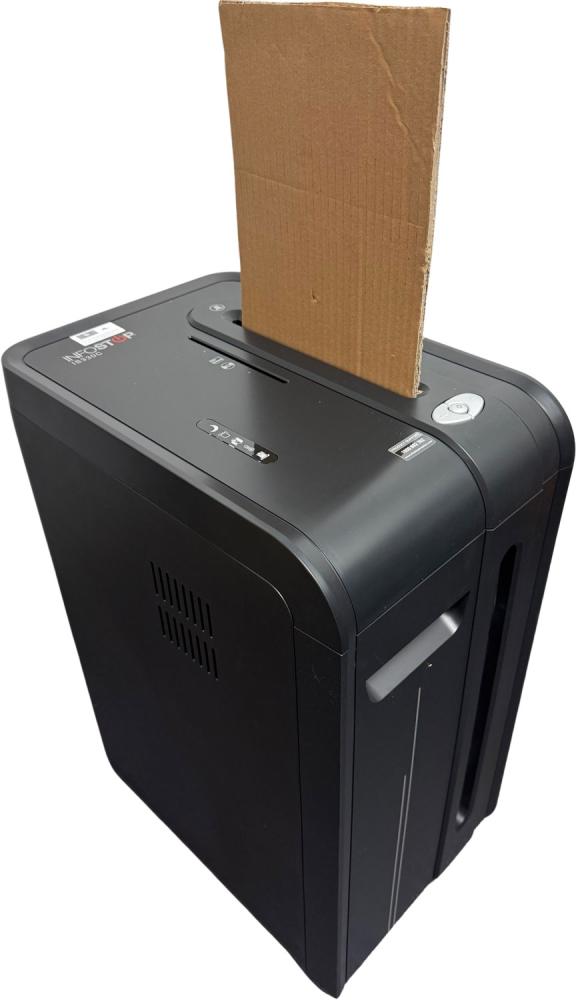
Shredded cardboard plays a key role in supporting this partnership. Its fibrous structure not only supplies carbon for microbes but also improves the physical structure of the compost pile. Those fibres helps create small air spaces throughout the pile, allowing oxygen to circulate and supporting aerobic microbes that decompose material more quickly—and far more cleanly—than oxygen-starved microbes. Improved airflow leads to a hotter, more active compost pile with fewer unpleasant odours. As earthworms tunnel through the pile, they further improve aeration and distribute carbon and nitrogen more evenly. The result is a hotter, more active compost system—one capable of suppressing weed seeds and many plant pathogens, resulting in safer, more reliable compost for the garden.
By adding shredded cardboard to your compost, you’re doing more than recycling packaging. You’re building a living soil ecosystem where microbes and earthworms collaborate to turn waste into long-term fertility.
A quick reminder: choose plain, non-glossy cardboard and remove tape or plastic labels before shredding. Once mixed properly into your pile, cardboard breaks down surprisingly quickly—leaving behind compost that improves soil structure, boosts water retention, and supports healthier plant growth.
So the next time a package arrives, don’t just flatten the box—shred it and feed your compost instead. You’ll cut waste, recycle more thoughtfully, and give your garden a natural advantage all at once.
To learn more about suitable cardboard shredders for composting, visit the Shredder Sales website.
Do You Need Advice? For assistance, Contact Shredder Sales by Live Chat or:
Phone: 1800 808 880
Email: info@shreddersales.com.au